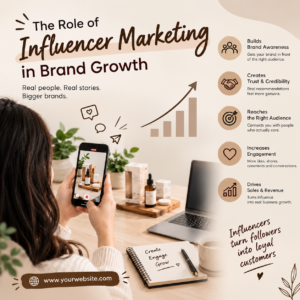
Instagram has become one of the most useful platforms for small businesses that want to build brand awareness, connect with customers, and increase sales. With billions of users worldwide, Instagram provides businesses with opportunities to reach their target audience through photos, videos, Stories, Reels, and other forms of content.
Simply setting up an Instagram account does not guarantee business growth. Small businesses need a clear marketing strategy for Instagram small business to attract the right audience and turn followers into customers. A well-planned strategy combines social media marketing, engaging content, SEO techniques, and consistent audience interaction.
Why Instagram Marketing Matters for Small Businesses
For small businesses, Instagram can be a cost-effective platform for building an online presence. Unlike traditional advertising, businesses can create organic content and communicate directly with potential customers.
A strong marketing strategy for Instagram small business helps businesses:
Increase brand awareness
- Reach a targeted audience
- Build customer relationships
- Showcase products and services
- Generate website traffic
- Increase engagement
- Support online sales
- Build brand credibility
Instagram also gives small businesses the opportunity to compete with larger brands through creative and valuable content. A local café, fashion store, beauty business, handmade-product seller, or service provider can use Instagram to reach potential customers without requiring a huge marketing budget.
1. Create a Professional Instagram Business Profile
The first step in a successful marketing strategy for Instagram small business* is creating a professional and recognizable profile.
Make sure your Instagram profile clearly shows what your business has to offer. Use a simple username recognizable profile picture and a short bio that explains your products or services.
Your bio should include relevant information such as:
Business name
What you offer
Location, if relevant
Unique selling point
Website or contact link
A simple call to action
Using relevant keywords in your Instagram name and bio can also help users understand your business when they search for products or services.
2. Understand Your Target Audience
Understanding your target audience is important before developing content. A good Instagram marketing strategy starts with understanding who your customers are.
Consider factors such as:
Age
Location
Interests
Buying habits
Problems and needs
Preferred content types
Online behavior
For example a small skincare business may target people interested in beauty skincare routines and self-care. A local restaurant may focus on people searching for food options in a particular area.
Understanding your audience allows you to create content that is relevant rather than posting randomly.
3. Use Instagram SEO
Instagram SEO is an important part of a modern *marketing strategy for Instagram small business. Instagram works like a search engine because users can search for businesses, products, services, and topics.
Businesses can improve discoverability by using relevant keywords in:
Instagram name
Bio
Captions
Hashtags
Alt text
Reels descriptions
For example, instead of using only a brand name, a bakery could use terms such as “Custom Cakes” or “Bakery in Kochi” where appropriate.
Using relevant keywords helps Instagram understand the subject of your content and can make it easier for interested users to discover your business.
4. Create High-Quality and Valuable Content
Content is at the heart of every successful marketing strategy for Instagram small business.
Your content should aim to inform and engage, not just sell. Instead, create a balance between promotional, educational, entertaining, and informative content.
Some useful content ideas include:
Product demonstrations
Tutorials
Customer reviews
Behind-the-scenes content
Frequently asked questions
Before-and-after posts
Educational tips
Product benefits
User-generated content
Business stories
High-quality visuals are particularly important on Instagram. Use clear images, readable designs, and videos that communicate your message quickly.
5. Make Reels Part of Your Strategy
Instagram Reels can help small businesses reach people beyond their existing followers. Short-form video content can be used to demonstrate products, share tips, answer questions, or introduce the people behind a business.
For example, a clothing store could create a Reel showing different ways to style one outfit.A café can create a video showing the preparation of one of its popular drinks.
The goal is not simply to create viral videos. A sustainable *marketing strategy for Instagram small business* should focus on producing useful and relevant content consistently.
6. Use Instagram Stories for Daily Engagement
Instagram Stories are an effective way to keep your audience engaged on a regular basis.
Businesses can use Stories for:
Polls
Questions
Product updates
New arrivals
Offers
Customer feedback
Behind-the-scenes moments
Announcements
Using Stories can make a small business feel more human and welcoming. They also provide opportunities for direct interaction with followers.
7. Use Relevant Hashtags and Keywords
Hashtags can support content discovery when they are relevant to the post. Instead of using a large number of unrelated hashtags, businesses should focus on specific hashtags connected to their industry, location, product, and audience.
For example, a local handmade jewellery business could use keywords and hashtags related to handmade jewellery, jewellery shopping, local businesses, and its location.
Combining Instagram SEO, relevant keywords, and targeted hashtags can make content easier for potential customers to discover.
8. Build Customer Trust Through Social Proof
Trust plays a key role in effective digital marketing. Small businesses can build credibility by showing real customer experiences.
Social proof can include:
Customer testimonials
Reviews
Product feedback
User-generated content
Customer photos
Case studies
Screenshots of positive feedback
Authentic customer feedback can help new customers see the value and benefits of your products or services.
Businesses should always use customer content responsibly and obtain appropriate permission before publishing it.
9. Engage With Your Audience
Instagram marketing involves much more than simply sharing posts. Engagement is equally important.
Respond to comments and messages, answer customer questions, and interact with relevant accounts. When customers feel that a business listens to them, it can help strengthen relationships.
You can also encourage engagement by asking questions, creating polls, requesting opinions, and inviting followers to share their experiences.
Social media is more valuable when it encourages customer interaction instead of serving only as a promotional channel
10. Maintain a Consistent Posting Schedule
Consistency is another important part of a marketing strategy for Instagram small business.
Posting multiple times a day is not essential; focus on maintaining a consistent and manageable posting schedule.
For example, your weekly content plan could include:
2–3 feed posts
2–4 Reels
Regular Stories
Customer-generated content
One educational post
The exact schedule can vary depending on your audience, industry, resources, and performance data.
11. Track Instagram Analytics
A data-driven approach can make your Instagram marketing more effective. Businesses can use Instagram Insights to track how well their content is performing
Important metrics include:
Reach
Impressions
Engagement
Profile visits
Website clicks
Follower growth
Saves
Shares
Reel views
Reviewing these metrics regularly helps businesses understand what type of content attracts their audience.
For example, if educational Reels receive more saves and shares than promotional posts, the business can consider creating more educational content.
12. Combine Instagram With SEO and Other Marketing Channels
Instagram should not always operate separately from other digital marketing activities.
A complete marketing strategy for Instagram small business can connect Instagram with:
Website SEO
Content marketing
Email marketing
Local SEO
Influencer marketing
Social media marketing
Google Business Profile
Online advertising
For example, an Instagram post can direct users to a detailed blog article on the company’s website. This creates a connection between social media traffic and website SEO.
The Common Mistakes of Using Instagram for Marketing Your Business
Even a good marketing strategy for Instagram small business can fail if businesses make common mistakes.
Some mistakes include:
Posting without a clear goal
Using irrelevant hashtags
Ignoring comments and messages
Posting only promotional content
Copying competitors
Using poor-quality visuals
Ignoring Instagram analytics
Changing strategies too frequently
Not optimizing the profile
Focusing only on follower count
Instead of focusing only on gaining followers, businesses should pay attention to meaningful engagement, website visits, enquiries, leads, and conversions.
Conclusion
Small businesses can benefit greatly from Instagram when they use it strategically. A successful marketing strategy for Instagram small business combines a professional profile, audience research, Instagram SEO, high-quality content, Reels, Stories, engagement, social proof, and performance tracking.
Small businesses do not need to follow every trend or spend a large amount of money to build an effective Instagram presence. The key is to understand the target audience, provide valuable content, remain consistent, and continuously improve based on performance data.
By combining Instagram marketing, social media marketing, Instagram SEO, content marketing, and other digital marketing techniques, small businesses can create a stronger online presence and build long-term relationships with their customers.